In this article:
Dr Priya Aggarwal, Consultant – Gynaecologist and Obstetrician at Cloudnine Group of Hospitals, Patparganj, explains pregnancy-associated aplastic anaemia, why it may occur and the importance of timely diagnosis and care during pregnancy.
What Is Aplastic Anaemia in Pregnancy?
Aplastic anaemia is a rare blood disorder in which the bone marrow does not make enough blood cells.Bone marrow is the soft tissue inside your bones that produces:
- Red blood cells, which carry oxygen
- White blood cells, which help protect against infections
- Platelets, which help control bleeding
- Dr Priya Aggarwal, Consultant – Gynaecologist and Obstetrician, Cloudnine Group of Hospitals, Patparganj
What Causes Aplastic Anaemia During Pregnancy?
In many cases, doctors cannot identify the exact cause. This is known as acquired aplastic anaemia.Possible triggers or contributing factors can include:
- Certain medicines
- Exposure to some chemicals or toxins
- Viral infections
- Autoimmune reactions, where the immune system attacks the body's own bone marrow
- Rare inherited conditions
What Symptoms Can Occur?
The symptoms depend partly on which blood cells are reduced.A low red blood cell count may cause:
- Persistent tiredness
- Weakness
- Pale skin
- Breathlessness
- Dizziness
- A fast heartbeat
A low platelet count can affect normal clotting and may cause:
- Easy bruising
- Nosebleeds
- Bleeding from the gums
- Heavier-than-usual bleeding
- Small red or purple spots on the skin
How Is Aplastic Anaemia Diagnosed in Pregnancy?
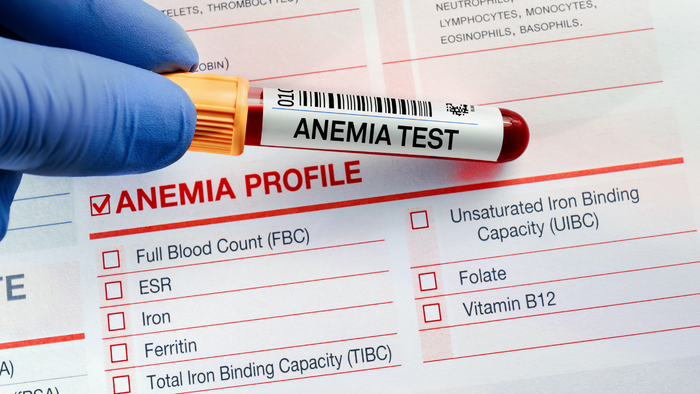
Doctors usually start with a complete blood count (CBC) to check red blood cells, white blood cells, and platelets. If the results show unusually low levels, doctors may order additional blood tests to look for the cause.In some cases, doctors may recommend a bone marrow examination to see how well the marrow is producing blood cells and to rule out other conditions.
Can Aplastic Anaemia Affect the Baby?
Aplastic anaemia primarily affects the mother's blood-cell production, but severe maternal illness can make pregnancy more complicated.Potential concerns may include:
- Poor maternal oxygen delivery
- Increased risk of infection
- Bleeding complications
- Problems related to severe low platelet counts
- Restricted fetal growth in some situations
- Preterm birth in complicated pregnancies
How Is It Managed During Pregnancy?
Treatment depends on how severe the condition is and how far along the pregnancy is. Doctors may closely monitor blood counts and the baby’s growth.Treatment may include:
- Blood or platelet transfusions
- Treatment for infections
- Medicines to manage the immune system, when appropriate
- Regular care from a haematologist and obstetrician
What Happens After Delivery?
Care does not necessarily end once the baby is born. Blood counts may continue to require monitoring, and the mother may need ongoing treatment from a haematologist.Doctors will also consider the mother's recovery, bleeding risk, infection risk, and longer-term treatment options. If you plan to breastfeed, your doctor can guide you on feeding and recovery after delivery.
If a woman has received blood products or certain medications, her medical team may also discuss appropriate follow-up and future pregnancy planning.
When Should You Seek Medical Advice?
Contact your doctor during pregnancy if you notice:- Unusual or heavy bleeding
- Persistent fever
- Severe weakness or tiredness
- Breathlessness
- Frequent infections
- Easy or unexplained bruising
Whether you’re pregnant, a new mom, or navigating postpartum, you don’t have to do it alone. Join our support group to connect, share, and support one another.
FAQs on What Is Aplastic Anaemia in Pregnancy and How Can It Affect Mother and Baby?
- Is aplastic anaemia the same as iron-deficiency anaemia?
No. Iron-deficiency anaemia usually happens because the body lacks enough iron. Aplastic anaemia occurs when the bone marrow cannot make sufficient blood cells. - Can a woman with aplastic anaemia have a normal delivery?
Some women may have a vaginal delivery, depending on their health, blood counts, pregnancy, and baby's condition. The medical team will decide the safest delivery approach. - Does aplastic anaemia always require a blood transfusion?
No. Transfusions are not automatically needed for everyone. Doctors consider blood counts, symptoms, bleeding, and overall health before deciding whether red blood cells or platelets are necessary.