In this article:
Breastfeeding can add another challenge. The breasts may feel firm or lumpy, while conditions such as milk engorgement, blocked ducts and mastitis can cause symptoms that may resemble or mask other abnormalities.
Why Can Breast Cancer Be Harder to Detect During Pregnancy?
During pregnancy, hormonal stimulation causes the breast tissue to become denser, larger and more nodular. These changes help prepare the breasts for breastfeeding. However, they can also make a lump more difficult to identify through physical examination.Not every breast lump during pregnancy is cancer. Many breast changes are part of the normal physiological changes associated with pregnancy.
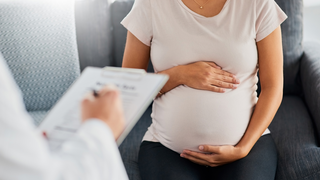
However, Dr Chetna Jain highlights that pregnancy should not be a reason to simply observe a suspicious breast symptom. A persistent or unusual change should be appropriately evaluated.
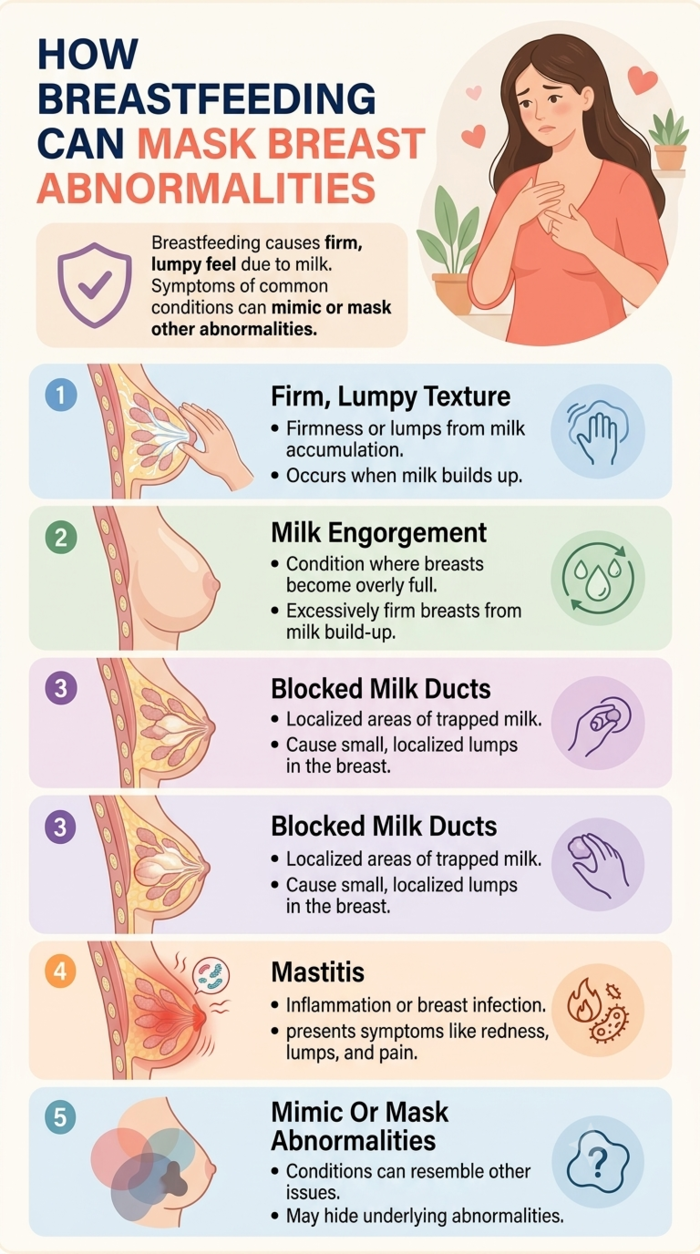
How Can Breastfeeding Mask Breast Abnormalities?
Breastfeeding can change how your breasts feel. They may become firm or lumpy, particularly when milk accumulates.Common breastfeeding-related conditions include:
- Milk engorgement
- Blocked milk ducts
- Mastitis
According to Dr Chetna Jain, a persistent lump may sometimes be attributed to pregnancy or breastfeeding changes. This can delay medical evaluation.
A lump that persists or grows should therefore not automatically be attributed to breastfeeding.
Particular attention is needed when a lump:
- Feels unusually hard
- Is associated with skin changes
- Causes nipple retraction
- Is accompanied by bloody nipple discharge
Can Breast Imaging Be Done During Pregnancy?
Yes. Breast imaging can be performed during pregnancy when clinically indicated.Ultrasound is generally used as an initial investigation for a breast lump. Mammography may also be considered when necessary, with appropriate precautions.
During breastfeeding, several imaging options remain available. Your doctor can determine which investigation is appropriate based on your symptoms and clinical findings.
Importantly, Dr Chetna Jain emphasises that pregnancy and breastfeeding can change how breast abnormalities present, but they should not prevent timely evaluation of a persistent or concerning breast symptom.
Being aware of your usual breast changes can help you recognise when something feels different.
Pregnancy and breastfeeding can make breast abnormalities harder to distinguish from normal changes. However, persistent or concerning symptoms still warrant timely medical evaluation.
Whether you’re pregnant, a new mom, or navigating postpartum, you don’t have to do it alone. Join our support group to connect, share, and support one another.
FAQs on Why Can Breast Cancer Be Harder to Detect During Pregnancy and Breastfeeding?
- Is a breast lump during pregnancy always breast cancer?
No. Pregnancy causes normal changes in breast tissue, and several benign conditions can also cause lumps. However, a persistent or unusual lump should be evaluated by a doctor. - Can breast imaging be done during pregnancy?
Yes. Breast imaging can be performed when clinically indicated. Ultrasound is generally used initially for a breast lump, while mammography may be considered when necessary with appropriate precautions. - Should I get a breast lump checked while breastfeeding?
Yes, particularly if it persists, grows, feels unusually hard or is associated with skin changes, nipple retraction or bloody nipple discharge.