In this article:
Why Anxiety Tends to Increase During This Phase
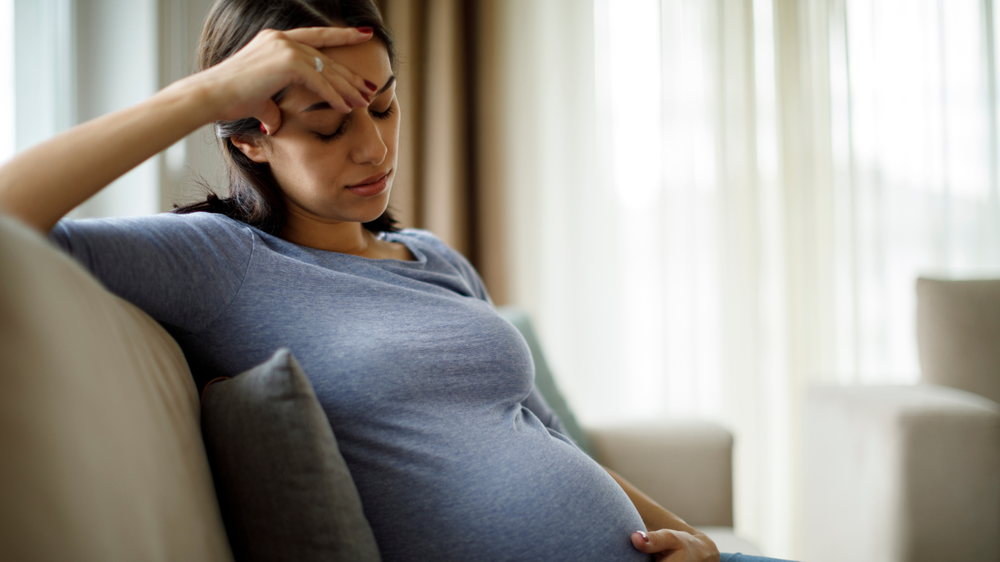
According to Dr Reddy, pregnant women experience anxiety during weeks 36 and 37 of their pregnancies. As delivery approaches, you may have anxiety due to issues like delivery, how the baby is doing, getting prepared at the hospital, and other parenthood issues.From the point of view of where you are in your pregnancy, it makes perfect sense why anxiety increases at this time. The labour is not far away anymore; it is not just something far off anymore but rather something very tangible, and so your mind begins going over these things.

How Physical Discomfort Feeds Into Anxiety
As Dr Reddy tells us, physical discomfort itself may be another reason behind stress. Sleeplessness, back pain, frequent urge to urinate, and lack of mobility will leave you tired and emotionally drained.At this point, it is important to see how the relationship between physical fatigue and emotional overload affects one another. An uncomfortable and tired body is much less able to cope with stress calmly, and this is why addressing physical discomfort is really important to lighten your emotional burden.
Preparing in Advance to Reduce Uncertainty
Dr Reddy suggests that preparations in advance will be helpful in reducing uncertainties. Just a few simple steps can help in this regard.- Make sure that you have packed your hospital bag well before labour starts
- Talk about your birthing plan with your doctor to understand what your options are
- Join childbirth classes if available to get acquainted with the process of labour
- Know what happens during the process of labour, because most of the fear arises out of the lack of knowledge
How to Protect Yourself From Harmful Worrying Agents
Stay in touch with positive family members and do not scare yourself with scary birth experiences from untrustworthy websites online. It is quite common for you to search for reassurance through the web but end up reading stories that scare you even more. Having good support from people who really care about you, as opposed to being scared by worst-case scenarios, will definitely help you out.When Anxiety Goes Beyond What Is Typical
Some anxiety is entirely normal. However, if your worries become constant, interfere with daily functioning, or trigger panic attacks, discuss your symptoms with your obstetrician or a mental health professional. Early support can improve both maternal wellbeing and pregnancy outcomes.This distinction is worth holding onto. Feeling nervous about labour is expected and does not need treatment on its own. But anxiety that consumes your daily thoughts, keeps you from functioning normally, or brings on physical panic symptoms is a different matter, and deserves proper support rather than simply being pushed through.
When Should You Contact Your Doctor?
Contact your doctor if you have any of the following symptoms:- Constantly worrying or feeling worried that won't go away.
- Anxiety that is preventing you from sleeping or eating properly, or interrupting other activities in your life.
- Panic attacks or sudden moments of fear.
- Constant fear of labour despite preparations and reassurance.
- Hopelessness or feelings of not being able to cope.
Your last few weeks of pregnancy are important psychologically, and preparing yourself is as essential as preparing yourself physically. With the right preparations, support and some patience, this period of anxiety will pass as you approach meeting your baby.
Whether you’re pregnant, a new mom, or navigating postpartum, you don’t have to do it alone. Join our support group to connect, share, and support one another.
FAQs on Why Do Some Women Get More Anxious Between Weeks 36-37?
- If I am experiencing anxiety during this time period, does that mean I am not prepared to become a parent?
This is perfectly normal and does not indicate anything about your preparedness or parenting ability. Many parents wonder if they can meet their child's needs. - Does my anxiety during this period impact my ability to give birth?
In certain situations, high and unchecked levels of stress might affect your labour negatively, which is one of the reasons why creating good coping skills prior to delivery can be useful. - Will my anxiety disappear after giving birth or continue afterwards?
Some women find that the anxiety associated with fear of delivery dissipates once labour starts since the unknown is replaced with actual delivery. At the same time, some women experience postpartum anxiety, something that you should discuss with your doctor if it is the case.