In this article:
What Are Fibroids?
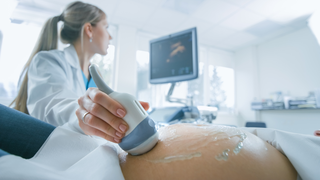
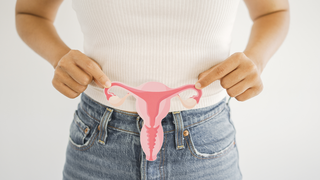
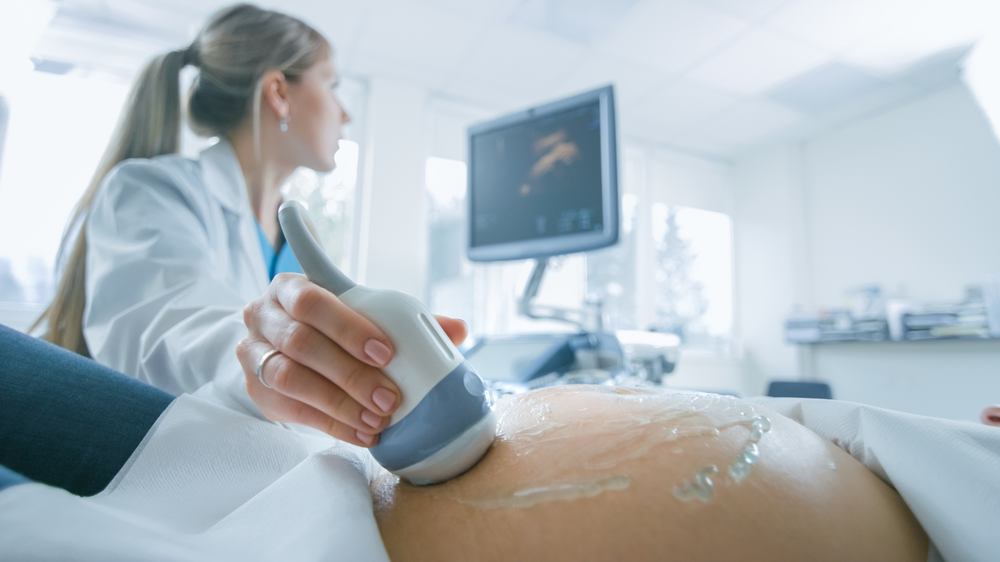
A fibroid is a non-cancerous growth that forms in or around the uterus, and its impact during pregnancy depends on its size and position. It may develop inside the uterus, within its wall, or on the outer surface, and hormonal changes during pregnancy can sometimes cause it to grow.Many fibroids remain small and do not cause symptoms. A woman may have one or several fibroids, which are usually detected during routine ultrasound scans in pregnancy.
How Can Fibroids Affect Pregnancy?
Although fibroids may not necessarily be troublesome, there are specific areas in pregnancy that may be impacted by them. For instance, the expansion of the uterus may result in pain due to decreased blood flow and may make one feel pressured in the tummy region. The baby's positionmay be affected by fibroids in some cases.The presence of bigger fibroids may make a woman more likely to undergo a caesarean delivery. Fibroids may sometimes be associated with preterm labour or problems with the placenta, although this does not always happen.
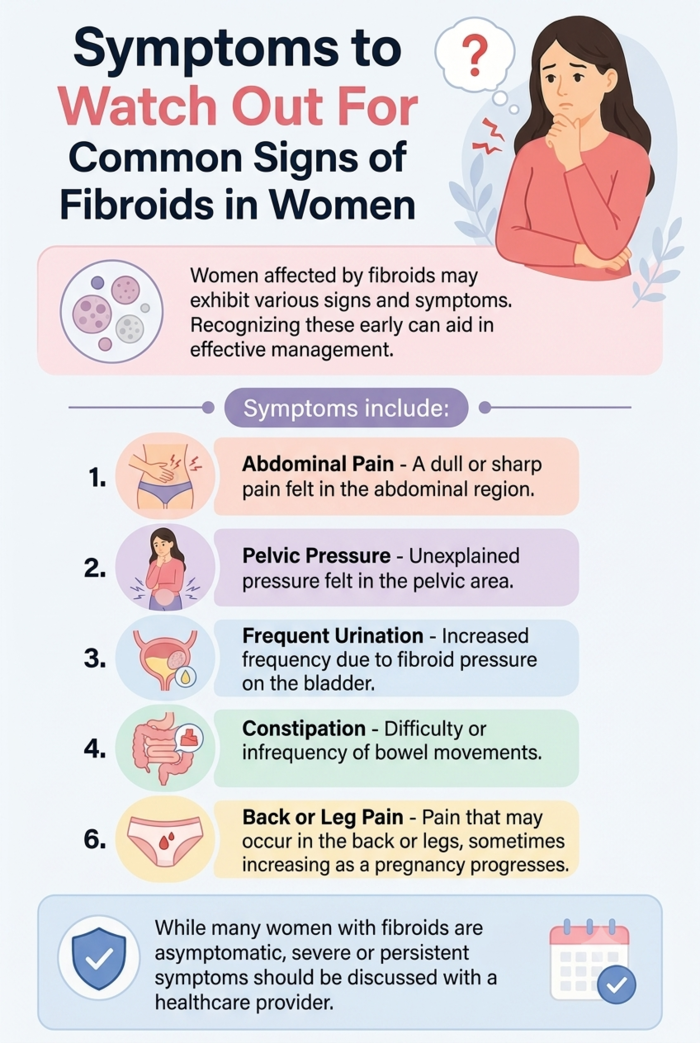
Symptoms to Watch Out For
Women affected by fibroids may exhibit the following signs and symptoms:- A dull or sharp abdominal pain
- Unexplained pressure in the pelvic area
- Frequent urination due to pressure of fibroids on the bladder
- Constipation
- Back or leg pain as the pregnancy progresses
- Light bleeding or spotting
Ways to Deal With Fibroids During Pregnancy
Coping with fibroids is all about reducing discomfort and ensuring a healthy pregnancy.Daily Management and Healthy Habits
- Rest whenever you feel tired
- Eat a healthy, well-balanced diet including fruits, vegetables, proteins, and whole grains
- Drink enough water
- Avoid heavy lifting and straining yourself
- Do some light exercise such as walking
Pain and Discomfort Management
- Try some warm compresses in your abdomen to achieve mild relief
- Change your position slowly and carefully to avoid sudden discomfort
- Try prenatal yoga and stretching to avoid stiffness
- Never take any medication without your doctor’s approval
- If necessary, consult your doctor about medication to help ease your pain
Medical Care and Monitoring
Careful medical care helps manage fibroids safely and supports a healthy pregnancy for both mother and baby.- Attend regular antenatal checkups to monitor fibroid size and track your baby's growth closely
- Get ultrasound scans as scheduled to assess fibroid location and check its impact on the placenta
- Doctors may recommend pain medications
- Doctors will assess your condition to decide the mode of delivery, whether vaginal or caesarean
- Fibroids are re-evaluated after delivery to decide if further treatment is required
When to Seek Immediate Medical Help
Severe or sudden abdominal pain that does not improve with rest needs urgent medical attention. Heavy vaginal bleeding, passing clots, or feeling dizzy or faint are also warning signs. Fever, chills, or signs of infection should never be ignored during pregnancy.Seek help immediately if you notice reduced baby movements later in pregnancy or a sudden increase in discomfort. Early medical care can prevent complications and protect both mother and baby. When in doubt, it is always safer to contact your doctor or visit the nearest hospital.
After Delivery: What Happens to Fibroids?
After delivery, many fibroids shrink naturally as pregnancy hormones return to normal levels. This process may take a few weeks to months. Some women notice a clear reduction in symptoms like pain or pressure without needing any immediate treatment.However, not all fibroids disappear completely. Your doctor may suggest a follow-up checkup or ultrasound to assess their size.
Treatment Options For Fibroids After Delivery
After childbirth, your doctor may recommend the following treatment options if fibroids persist:- Hormonal medicines to control bleeding and slow fibroid growth
- Iron supplements for anaemia caused by heavy bleeding
- Minimally invasive procedures like UAE (uterine artery embolisation)
- Myomectomy to surgically remove fibroids while preserving the uterus
- Hysterectomy, where the uterus is surgically removed if family planning is complete
Whether you’re pregnant, a new mom, or navigating postpartum, you don’t have to do it alone. Join our support group to connect, share, and support one another.
FAQs on Fibroids During Pregnancy: How to Cope?
- Will fibroids vanish during pregnancy?
Fibroids do not usually disappear while you are pregnant but can change in size. Some may shrink after childbirth once your hormones normalise. - Is exercising safe for women with fibroids during pregnancy?
Yes, gentle, doctor-approved exercises are safe for many pregnant women with fibroids. Mild exercises may help offer comfort and improve overall health. But if there are pregnancy complications, exercise may need to be limited. - Will fibroids have any effect on my future pregnancies?
Fibroids may affect future pregnancies depending on the size and location. Some can cause fertility issues or complications, while many women conceive and carry healthy pregnancies without significant problems.