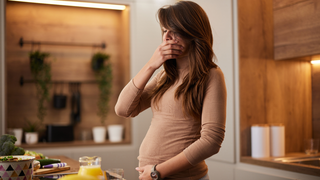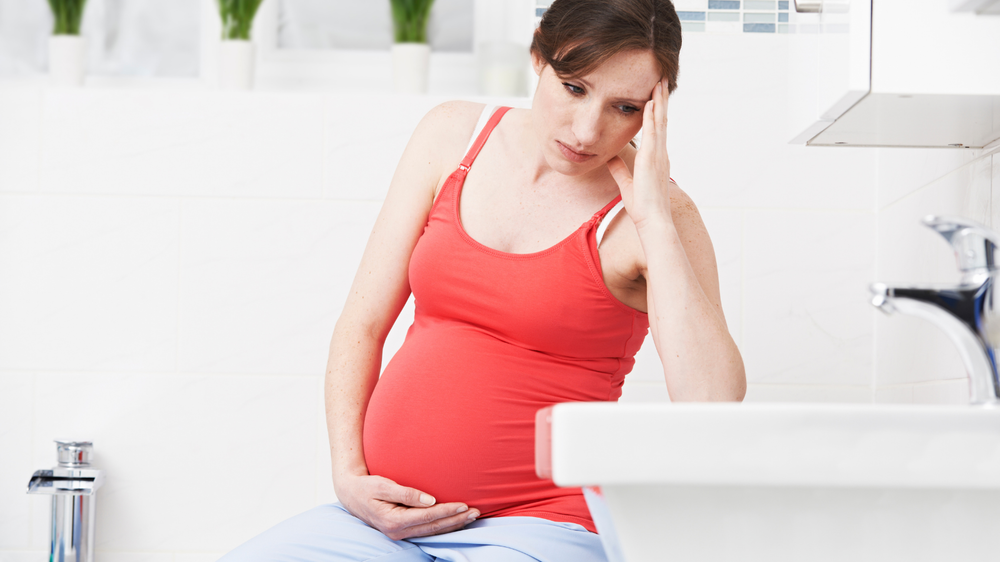
Morning sickness is usually a normal part of most pregnancies. In fact, it can be managed with dietary changes and supportive care.
However, if your condition worsens despite these remedies and lasts more than a few weeks, consult your doctor to investigate other possible causes.
What is H. pylori?
Helicobacter pylori (H. pylori) is a type of bacteria that infects the inner lining of the stomach wall. It is a very common gastric infection. Many people may carry it silently without being aware. This is because the symptoms often remain unnoticed.In certain cases, it may cause the following symptoms:
- Burning or aching pain in the upper abdomen
- Frequent bloating
- Nausea
- Burping
- Loss of appetite
- Indigestion
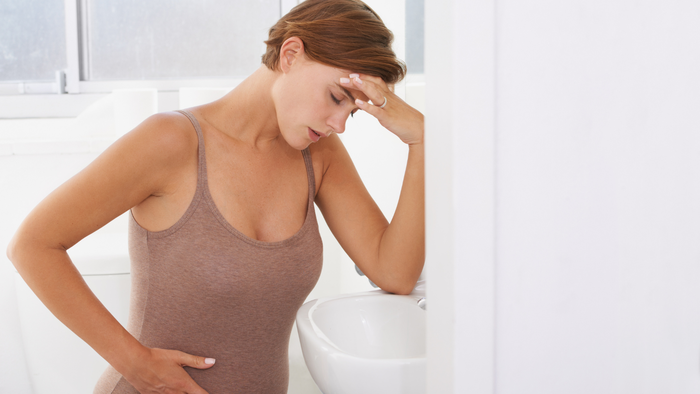
Can H. pylori Cause Persistent Nausea During Pregnancy?
According to certain studies, there is an association between H. pylori infection and hyperemesis gravidarum. Hyperemesis gravidarum is a serious pregnancy-related condition that is the most severe form of nausea and vomiting of pregnancy (NVP). However, not every pregnant woman with persistent nausea has this infection.H. pylori might cause inflammation that further irritates the stomach lining in some women. This condition, in turn, leads to a worsening of nausea. Study findings supporting the above facts have been inconsistent, and a direct causal relationship has not been established. If the condition persists or is getting severe, the doctor will evaluate your overall health and determine if H. pylori is the underlying cause.
Signs That May Suggest H. pylori Infection
While pregnancy itself can cause nausea, the following symptoms may raise suspicion of an underlying stomach infection:- Persistent nausea beyond the usual first trimester
- Repeated vomiting
- Burning pain in the upper abdomen
- Bloating after meals
- Frequent burping
- Poor appetite
- Unexplained weight loss
- Black stools or vomiting blood (requires urgent medical attention)
| Typical Pregnancy Nausea | Symptoms That May Suggest H. pylori |
| Usually improves by 16–20 weeks | May continue beyond the expected timeframe |
| Mainly nausea and occasional vomiting | Nausea with upper abdominal pain or indigestion |
| Usually responds to lifestyle changes | Symptoms may persist despite treatment |
| No ulcer symptoms | May be associated with gastritis or stomach ulcers |
What Conditions Increase the Risk of Having H. pylori Infection?
Your risk may be higher if you:- Have had a stomach ulcer in the past
- Previously tested positive for H. pylori
- Live in areas where the infection is common
- Grew up in crowded living conditions
- Have limited access to clean water or sanitation
- Have a close family member with the infection
How Is H. pylori Diagnosed During Pregnancy?
Your doctor will first review your symptoms and medical history.Based on their assessment, your doctor may recommend the following tests:
- Stool antigen test
- Blood tests (although these cannot distinguish between past and current infection)
- Upper gastrointestinal endoscopy (only in selected cases)
Is Treatment Safe During Pregnancy?
Treatment for H. pylori usually involves a combination of antibiotics and medicines that reduce stomach acid.Throughout your pregnancy, your doctor will evaluate the risks and benefits carefully before recommending any treatment.
Your treatment might be delayed until after delivery if your symptoms are mild and there are no associated complications.
If treatment is required, your doctor will choose the treatment options based on:
- Your stage of pregnancy
- The severity of your symptoms
- Your overall health
- The safety profile of the medicines
Can H. pylori Affect Your Baby?
There is no strong evidence that H. pylori directly harms your baby.However, severe and prolonged vomiting can lead to:
- Dehydration
- Poor nutrition
- Weight loss
- Electrolyte imbalance
If you are experiencing severe and persistent nausea during pregnancy, your doctor may consider less common causes, including H. pylori infection. A timely evaluation can help both you and your baby receive appropriate care.
Whether you’re pregnant, a new mom, or navigating postpartum, you don’t have to do it alone. Join our support group to connect, share, and support one another.
FAQs on Persistent Nausea During Pregnancy: Could Bacteria H. pylori Be the Cause?
- Should every pregnant woman with persistent nausea be tested for H. pylori?
Testing is not routine and is usually considered only when symptoms are severe, persistent, or suggest an underlying stomach condition. - Can H. pylori infection return after treatment?
Yes. Although recurrence is uncommon in many regions, reinfection can occur, especially in areas where the infection is widespread. - What foods can help if I have persistent nausea during pregnancy?
Eating small, frequent meals, staying hydrated, and choosing bland foods such as toast, crackers, rice, bananas, and yoghurt may help. Speak to your healthcare provider if symptoms persist.