In this article:
Why Do Gallstones Develop During Pregnancy?
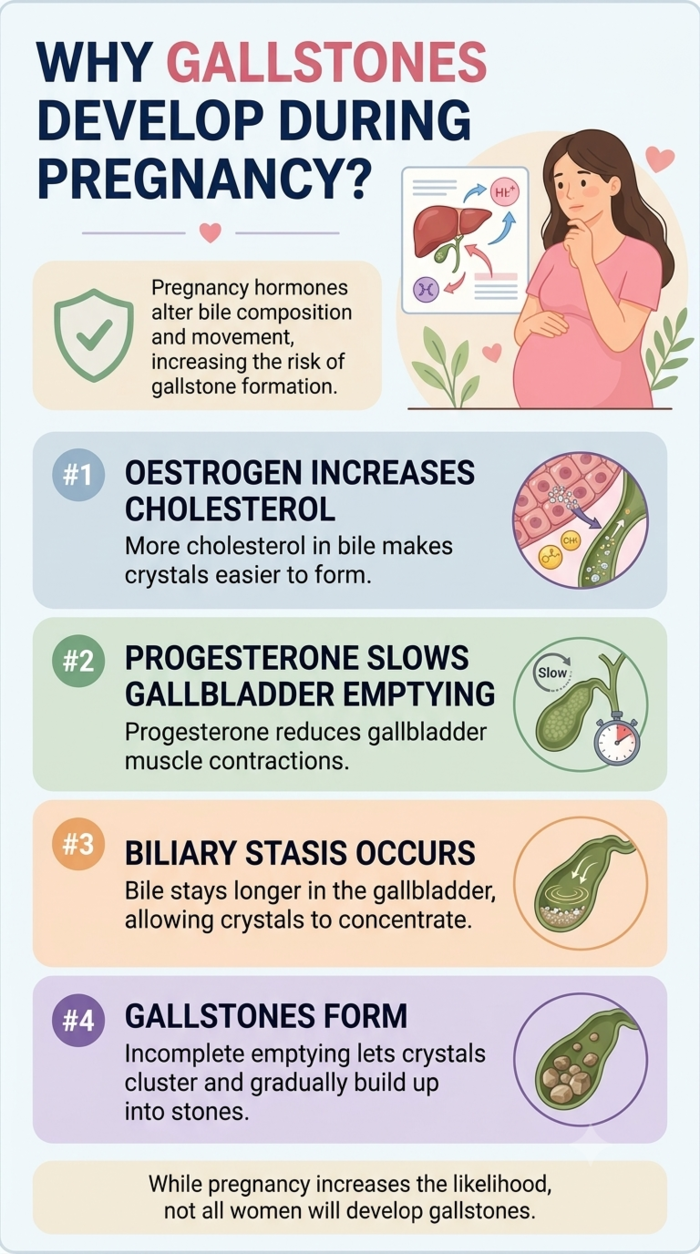
The gallbladder is a small, pear-shaped organ located beneath the liver. It stores bile, a digestive fluid that helps the body break down fats.During pregnancy, two hormones play an important role in gallstone formation:
- Oestrogen: Increases cholesterol levels in bile, making it easier for cholesterol crystals to form.
- Progesterone: Slows gallbladder emptying, making bile stay in it for longer.
What Are the Symptoms of Gallstones During Pregnancy?
Gallstone symptoms can sometimes be mistaken for common pregnancy-related digestive discomfort. However, certain features can help distinguish them.Common symptoms include:
- Pain in the upper-right abdomen: This is the most characteristic location of gallstone pain.
- Pain after meals: Discomfort may develop 30 minutes after eating, particularly following a heavy or fatty meal.
- Pain spreading to the back or right shoulder: Some women experience pain that radiates to these areas.
- Bloating and nausea: Abdominal fullness, sometimes accompanied by vomiting, may occur.
- Fever: Fever may indicate inflammation or infection and needs prompt medical assessment.
When Should Abdominal Pain During Pregnancy Be Checked?
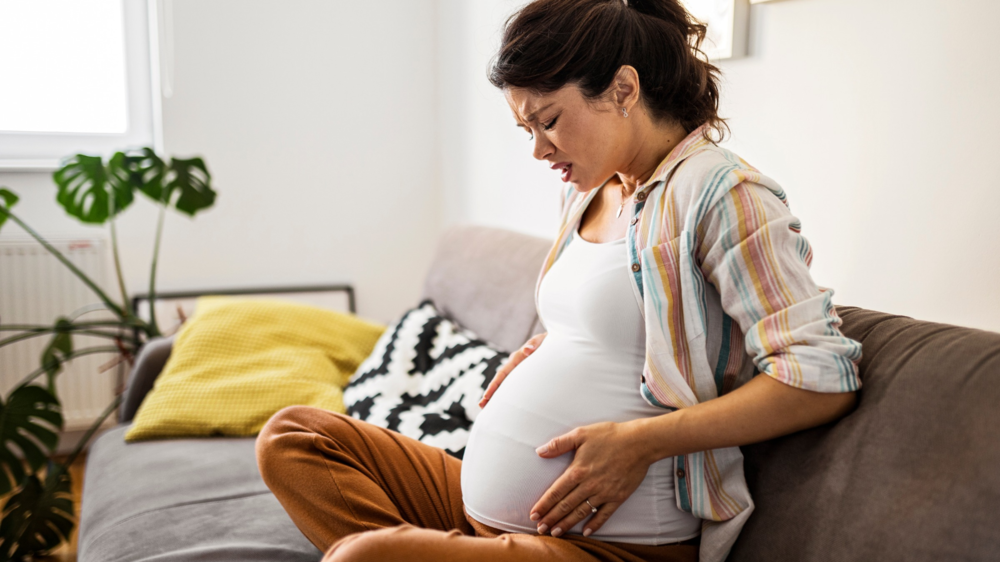
Pregnancy causes several physical changes, including ligament stretching, displacement of abdominal organs, and changes in muscle activity. These can cause occasional discomfort.Pain that lasts only five to seven minutes and improves after changing position may be related to normal pregnancy changes. However, pain that persists and does not ease with a change of posture or after eating needs medical evaluation.
Seek prompt medical attention if abdominal pain is accompanied by fever, repeated vomiting, yellowing of the skin or eyes, or severe and persistent discomfort. These symptoms may indicate complications requiring urgent treatment.
If you're aware of your disease before pregnancy, you should get the condition treated. If you're not aware and it is diagnosed during pregnancy, then don't get panicky about it. We have enough management protocols. We can take care of our patients very well, and we'll make it safe for the patient as well as for the foetus.
How Are Gallstones Diagnosed During Pregnancy?
Diagnosis usually begins with a medical history and physical examination. Your doctor may examine your abdomen for tenderness, particularly in the upper right area.An abdominal ultrasound is the preferred investigation for detecting gallstones during pregnancy. It helps identify stones in the gallbladder without exposing the mother or developing baby to ionising radiation.
Blood tests may also be recommended to assess liver function, infection, and possible complications. If jaundice develops, doctors need to determine whether it is caused by a blocked bile duct or a pregnancy-related liver condition, as these require different treatments.
How Are Gallstones Treated During Pregnancy?
The treatment plan depends on symptom severity, any complications, and the trimester.- Medication and monitoring: Women with mild symptoms may initially receive medicines to manage pain and other symptoms.
- Laparoscopic gallbladder surgery: If symptoms persist, recur, or complications develop, surgery may be necessary. The procedure, called laparoscopic cholecystectomy, involves removing the gallbladder through small abdominal incisions using a camera and specialised instruments.
Can Gallstones Affect the Baby or Cause Pregnancy Complications?
Gallstones that remain within the gallbladder without causing symptoms may not directly affect the developing baby.However, complications can make pregnancy more difficult to manage. These include:
- Cholecystitis: Inflammation of the gallbladder, usually caused by a blocked outlet.
- Jaundice: Occurs when a gallstone blocks the bile duct, causing bile components to accumulate in the blood.
- Gallstone pancreatitis: Develops when a stone blocks the pancreatic duct, causing inflammation.
Do Gallstones Return After Delivery? What About Breastfeeding?
Gallstones do not automatically disappear after childbirth. Women who experience symptoms during pregnancy may continue to have problems after delivery.In India, traditional postpartum diets sometimes include preparations such as laddus, ghee, and other high-fat foods. According to Dr Sharma, these foods may trigger gallbladder pain in women who already have gallstones because fatty meals stimulate gallbladder contraction.
After surgery, doctors generally recommend avoiding fatty and oily foods while continuing a balanced diet rich in protein, iron, and vitamins.
Gallbladder surgery can also be performed during breastfeeding. However, the doctor selects suitable anaesthetic medicines, antibiotics, and other medications, considering whether they pass into breast milk.
Can Gallstones Remain Without Causing Symptoms?
Some women have gallstones without experiencing pain or other symptoms. These are called asymptomatic gallstones and may be discovered incidentally during an ultrasound.Not every woman with asymptomatic gallstones needs immediate surgery. Management depends on factors such as the number and size of stones, medical history, and individual risk.
However, women with known gallstones who are planning another pregnancy should consult a surgeon to discuss whether treatment before conception would be appropriate.
Who Is More Likely to Develop Gallstones?
Certain factors may increase the risk:- Being female, particularly during the reproductive years.
- Being overweight or obese.
- Experiencing rapid weight loss, including through crash dieting.
- Having a family history of gallstones.
- Having a diet high in fat.
FAQs on Gallstones During Pregnancy: Symptoms, Treatment, and When Surgery May Be Needed
- Is gallbladder surgery safe during pregnancy?
Laparoscopic gallbladder surgery can be performed during pregnancy when medically necessary. - Can I get pregnant after gallbladder removal?
Yes. Gallbladder removal does not affect fertility or the ability to have a successful pregnancy.