In this article:
How Is Superfetation Different from Twins?
Superfetation should not be confused with an ordinary twin pregnancy or superfecundation.- Twins from one cycle: Two eggs are released in the same cycle and fertilised together, or one fertilised egg splits (same gestational age, even if they differ in size).
- Superfecundation: Two eggs from the same cycle are fertilised by sperm from separate acts of intercourse, usually days apart (gestational age differs by only a few days).
- Superfetation: Eggs from two different cycles are fertilised; the pregnancies start weeks apart (substantial difference in gestational age).
Why Cant You Usually Get Pregnant While Pregnant?
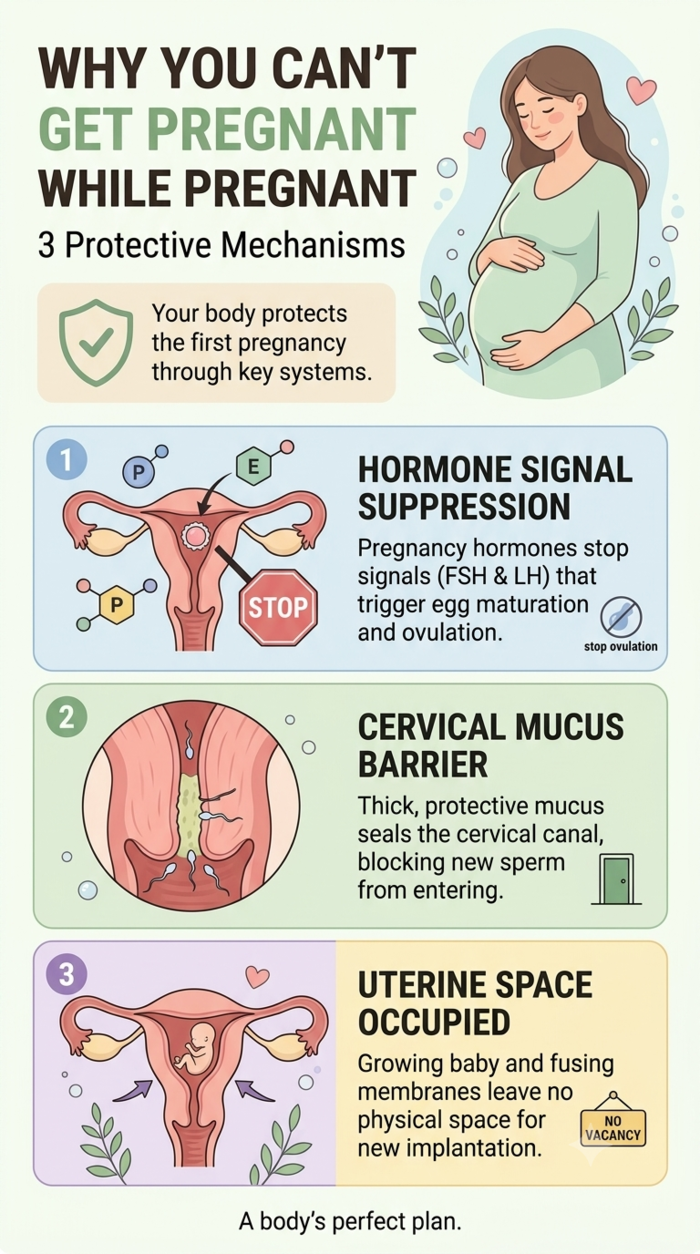
Three mechanisms protect against a second pregnancy:- Hormones: After implantation, rising progesterone and oestrogen suppress the signals (FSH and LH) that mature and release an egg, stopping ovulation.
- Cervical mucus plug: Thick mucus seals the cervical canal and blocks sperm.
- Uterine lining: The lining is already supporting the first embryo. As pregnancy advances, the foetal membranes fuse with the uterine wall and close the cavity, leaving no space for a new implantation.
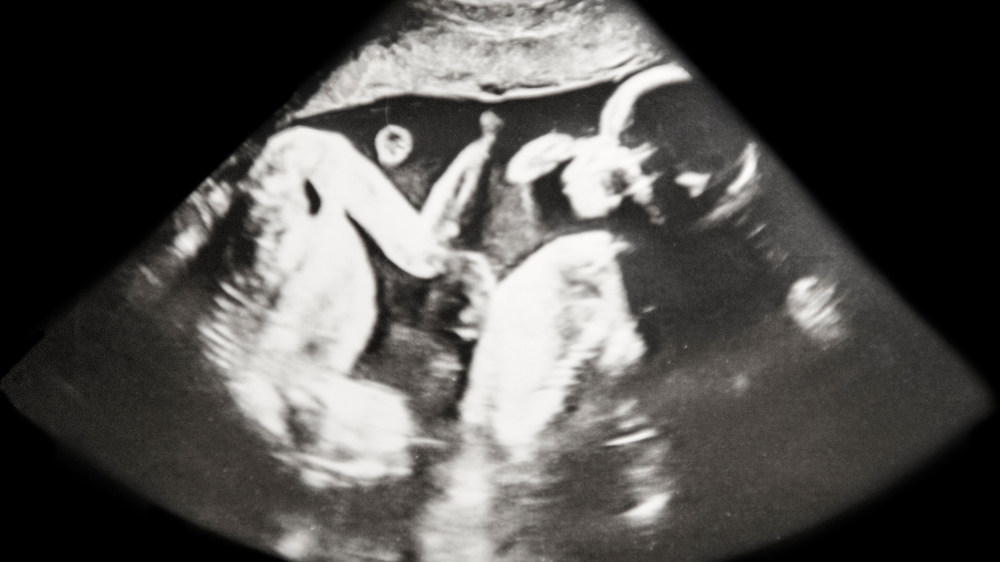
Superfetation is extremely rare in humans. When superfetation is suspected in humans, the pregnancy may initially appear like twins. However, ultrasound may show that the two foetuses have a clear difference in developmental size or maturity.
How Can Superfetation Happen?
Three conditions must be met together:- The woman ovulates despite being pregnant.
- Sperm reaches the egg.
- The uterine lining accepts a second embryo.
What Are the Signs of Superfetation, and How Is It Diagnosed?
There are no symptoms specific to superfetation. Doctors identify it on ultrasound when two foetuses show a growth gap of two weeks or more and measurements point to different conception dates.Doctors first rule out more common causes of size differences in twins:
- Unequal placental sharing
- Twin-to-twin transfusion syndrome
- Placental insufficiency
- Errors in dating the pregnancy
Is Superfetation Dangerous for Mother and Baby?
The outcome depends on the individual pregnancy and whether both fetuses are developing normally. Some published cases have reported healthy births.The risk comes from the age gap. If both babies are delivered together, the younger one may be born preterm. Preterm babies can have breathing and feeding difficulties and low birth weight.
Because very few cases exist, there are no guidelines specific to superfetation. Care follows the approach used for twin pregnancies with unequal growth: regular growth scans and a delivery plan set by the obstetrician.
Superfetation: What Women Should Know
- Routine scans help: Antenatal care usually includes a first-trimester dating scan, a nuchal translucency (NT) scan at 11 to 14 weeks, and an anomaly scan at 18 to 20 weeks. These scans can detect unusual growth differences early.
- Fertility treatment needs clear guidance: IVF and ovulation induction are increasingly used in India. Women undergoing treatment should follow their fertility specialist's advice on intercourse and pregnancy testing during the cycle.
- Pregnancy can happen soon after delivery: Ovulation can return before the first postnatal period. Breastfeeding protects reliably only if the baby is under six months old, is fed exclusively on breast milk, and the mother's periods have not returned.
- Bleeding should not be assumed to be a period: Women who bleed during pregnancy should see a gynaecologist immediately.
Whether you’re pregnant, a new mom, or navigating postpartum, you don’t have to do it alone. Join our support group to connect, share, and support one another.
FAQs on Superfetation: Can a Woman Get Pregnant While Already Pregnant?
- Can you ovulate while pregnant?
Ovulation normally stops after conception. In rare cases, it may continue in the first weeks of pregnancy. - Can superfetation cause twins with different due dates?
Yes. Suspected superfetation can result in foetuses with different gestational ages and therefore potentially different expected due dates. Ultrasound is used to assess foetal development. - Can a pregnancy test detect superfetation?
No. Only ultrasound scans showing different growth stages can suggest it.