In this article:
Why Do Pregnancy Symptoms Come and Go?
Pregnancy symptoms can vary because hormone levels and the body's response to pregnancy are constantly changing. Symptoms may be noticeable one day and much milder the next.The corpus luteum, a temporary structure on the ovary, produces progesterone in early pregnancy. This hormone causes nausea, breast tenderness, and fatigue. Around week 10, the placenta becomes fully functional and takes over hormone production.
This transition, called the luteal-placental shift, is gradual for some women and abrupt for others. During this handover, hormone levels can dip briefly before placental production stabilises, which explains the sudden easing of symptoms.
Is It Normal to Have No Pregnancy Symptoms at 8 Weeks?
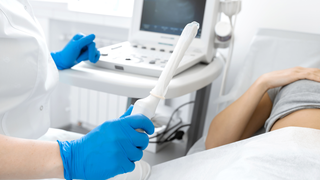
Some women have mild or no symptoms from the start. Hormone sensitivity differs between women; nausea and fatigue affect some more severely than others.A scan showing a normal foetal heartbeat and growth is a more reliable indicator of a healthy pregnancy than symptoms alone. Gynaecologists commonly reassure patients during antenatal visits that symptom intensity doesn't affect the baby's health, as long as ultrasound growth parameters are on track.
A sudden improvement doesn't mean something is wrong. Symptoms alone can't tell if a pregnancy is going well. Your doctor may suggest a check-up or an ultrasound if needed.
When Does Symptom Loss Signal a Problem in Pregnancy?
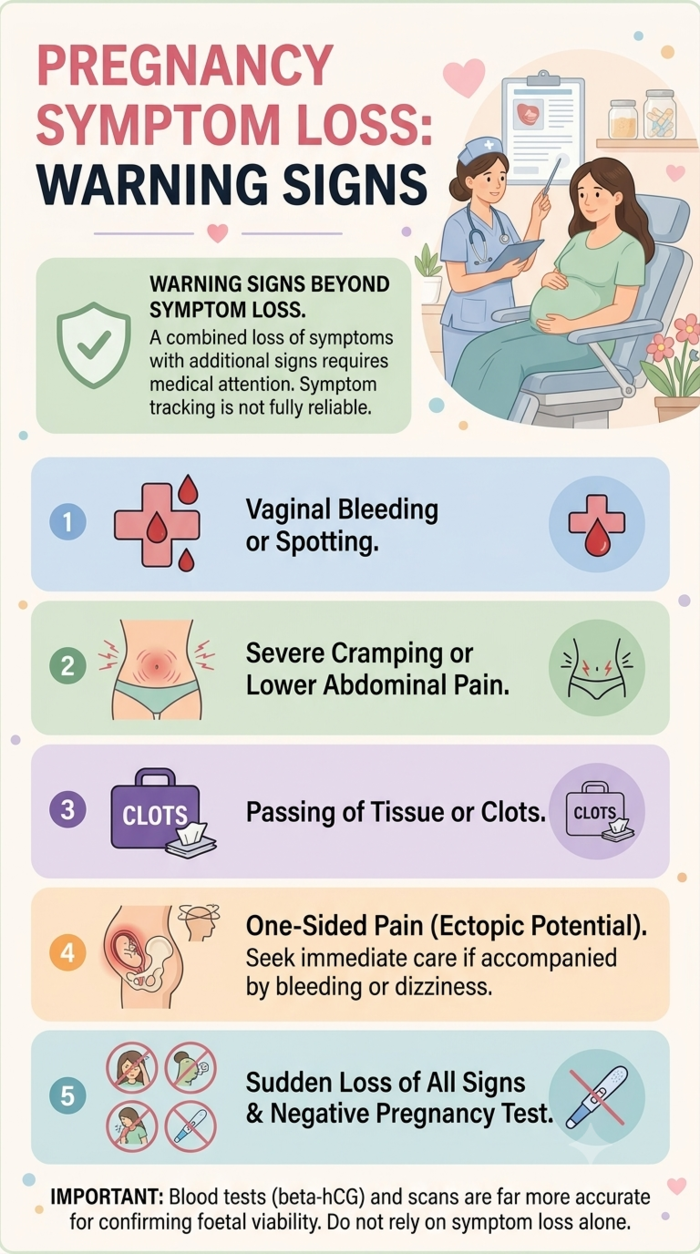
A sudden loss of symptoms along with other signs needs medical attention. These warning signs include:- Vaginal bleeding or spotting
- Cramping or lower abdominal pain
- Passing of tissue or clots
- One-sided lower abdominal pain (particularly when accompanied by bleeding or dizziness can be a sign of ectopic pregnancy)
- Sudden loss of all pregnancy signs together with a negative home pregnancy test
How Does the Second Trimester Affect Pregnancy Symptoms?
The second trimester (week 13 to 27) is often called the calmest phase of pregnancy. Placental hormone production stabilises during this stage, and nausea eases for most women by week 14 to 16. Energy levels improve as the body adjusts to steady hormone levels, and appetite typically returns after weeks of food aversions.This shift also brings visible changes, including a growing bump, foetal movements from around week 18 to 20, and improved sleep for many women.
What Should You Do If Pregnancy Symptoms Stop Suddenly?
If pregnancy symptoms stop suddenly, the following steps help confirm wellbeing:- Track any bleeding, cramping, or pain alongside the symptom change
- Continue scheduled antenatal check-ups and scans rather than relying on symptoms alone
- Take a home pregnancy test only if a miscarriage is suspected, as hCG levels can remain positive for days after foetal loss
- Consult a gynaecologist directly for reassurance
- Avoid comparing symptom patterns with other pregnancies, as every pregnancy differs
Whether you’re pregnant, a new mom, or navigating postpartum, you don’t have to do it alone. Join our support group to connect, share, and support one another.
FAQs on Is it Normal for Pregnancy Symptoms to Stop Suddenly?
- Is it normal to lose all pregnancy symptoms at 6 weeks?
Some symptom reduction at 6 weeks is possible but less common, as hormone levels are still rising. Consult your doctor to rule out complications at this early stage. - Can stress cause pregnancy symptoms to disappear?
Stress does not directly stop pregnancy symptoms, though it can alter perception of tiredness and appetite. Underlying hormonal shifts remain the main cause of symptom changes. - Can pregnancy symptoms stop and the baby still be okay?
Yes. A reduction or temporary disappearance of symptoms does not by itself indicate a pregnancy problem. An ultrasound is more reliable to assess the pregnancy.