In this article:
What Is Ballantyne Syndrome and What Causes It?
Scottish doctor John William Ballantyne first described the condition in 1892. It is called mirror syndrome because the mother's swelling "mirrors" the baby's. It is also known as triple oedema, as fluid collects in three places: the baby, the placenta, and the mother. It usually appears between 20 and 34 weeks, although earlier cases are reported.The condition develops when the baby has hydrops fetalis, which occurs when excessive fluid collects in at least two areas of the foetus or around the foetus. Known causes include:
- Rh incompatibility (an Rh-negative mother carrying an Rh-positive baby can form antibodies that destroy the baby's red blood cells).
- Infections such as Parvovirus B19, cytomegalovirus, syphilis, and toxoplasmosis.
- Blood disorders such as alpha-thalassaemia major.
- Twin-twin transfusion syndrome in identical twins sharing a placenta.
- Heart rhythm problems or structural defects in the baby.
- Chromosomal conditions and placental tumours.
What Are the Symptoms of Mirror Syndrome?
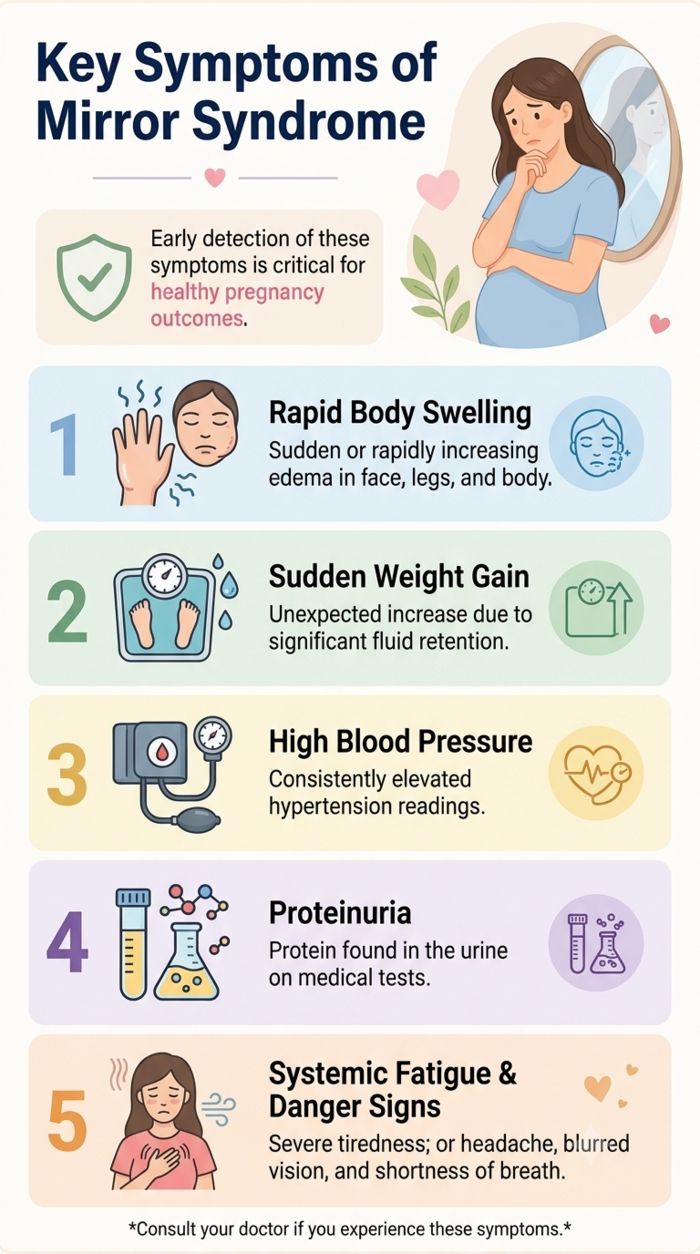
The most noticeable symptom may be sudden or rapidly increasing swelling.Possible symptoms include:
- Swelling of the hands, face, legs, or the whole body
- Rapid weight gain due to fluid retention
- High blood pressure
- Protein in the urine
- Severe tiredness or feeling unwell
- Headache and blurred vision, which need emergency care when blood pressure is high
- Shortness of breath in cases of significant fluid accumulation
The mother develops a huge amount of swelling, weight gain, and severe high blood pressure. Ultrasound scans can help identify fluid buildup in the baby or placenta, and the mother needs to undergo periodic blood pressure checks.
Ballantyne Syndrome vs Preeclampsia
The two look alike, as both cause swelling, high blood pressure, and protein in the urine. The difference is in the blood and the baby.| Feature | Ballantyne syndrome | Preeclampsia |
| Baby | Hydrops (fluid build-up) | Often normal; growth may be slow |
| Blood concentration | Diluted (low haemoglobin) | Concentrated (high haemoglobin) |
| Placenta | Large and thick | Usually small |
How Is Ballantyne Syndrome Diagnosed?
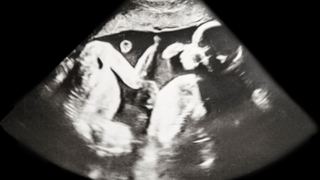
Doctors assess both the mother and baby. The mother's blood pressure, urine and blood tests can help identify fluid retention, proteinuria, anaemia and other abnormalities.- Ultrasound: Shows fluid in the baby's abdomen, chest or skin, a thickened placenta and excess amniotic fluid.
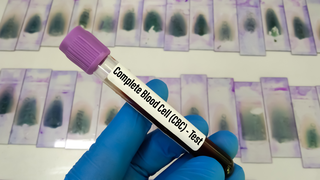
- Blood tests: Haemoglobin, kidney and liver function, and blood group with antibody screening.
- Urine test: To check for protein.
- Infection screening: Including parvovirus B19.
- Blood pressure and weight monitoring.
How Is Ballantyne Syndrome Treated?
Treatment depends on the cause, the baby's condition, and the stage of pregnancy.- Treating the baby's condition: Intrauterine blood transfusion for severe anaemia, or medicines for abnormal heart rhythm.
- Maternal care: Hospital admission, blood pressure control, and monitoring of fluid in the lungs.
- Delivery: If the mother's condition worsens or the baby cannot be treated.
Can Ballantyne Syndrome Be Prevented?
It cannot always be prevented, but detecting and treating its known causes early lowers the risk.- Book antenatal visits early: Regular scans and blood tests can detect Rh incompatibility, infections and fluid build-up in the baby.
- Know your blood group: Rh-negative mothers need anti-D immunoglobulin at around 28 weeks and within 72 hours of delivery.
- Ask about thalassaemia screening: For yourself and your partner, ideally before or early in pregnancy.
- Do not self-treat swelling: Avoid diuretics or home remedies without medical advice.
- Track your weight and blood pressure: Sudden weight gain or a rise in blood pressure is often the first sign.
- Report fever or rash: Infections such as parvovirus B19 can cause fluid build-up in the baby.
Whether you’re pregnant, a new mom, or navigating postpartum, you don’t have to do it alone. Join our support group to connect, share, and support one another.
FAQs on Sudden Swelling in Late Pregnancy: Could It Be Ballantyne Syndrome?
- What is the main sign of Ballantyne syndrome?
Sudden, widespread swelling in the mother, usually with rapid weight gain, along with fluid build-up in the baby seen on ultrasound. - Can Ballantyne syndrome go away on its own?
No. It needs medical treatment. The mother's symptoms usually resolve after the baby's condition is treated or after delivery. - How is Ballantyne syndrome different from preeclampsia?
Ballantyne syndrome involves fluid build-up in the baby and diluted maternal blood. Preeclampsia typically causes concentrated blood and often a normal-looking baby.